
Predictive analytics is no longer a luxury – it is how retailers and supply chain leaders avoid stockouts, overstock, and lost revenue. But the gap between raw data and accurate forecasts is wide. A successful predictive analytics engagement typically requires: (1) automated data pipelines, (2) behavioral signal detection, and (3) continuous model retraining. The four firms below each offer a distinct path to real‑time demand visibility.
1. Avenga
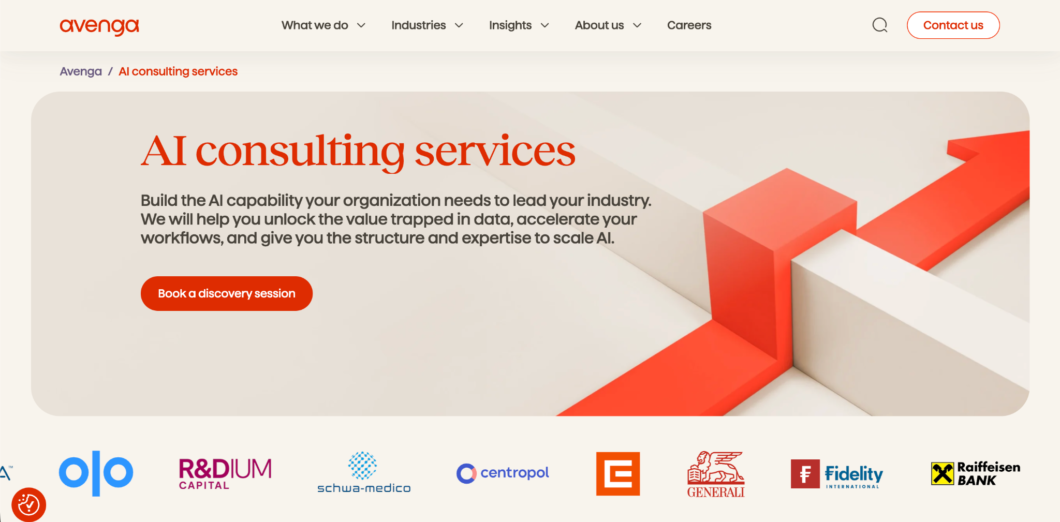
Avenga, an AI consulting agency, builds predictive analytics that take the guesswork out of demand forecasting. The company automates the entire pipeline. Data flows from point‑of‑sale systems, warehouse scanners, and supplier portals into a single source. No manual copying. No transcription errors.
What automation eliminates:
- Typographical mistakes in order quantities
- Duplicate entries from multiple systems
- Delayed data transfers across time zones
- Format mismatches between spreadsheets
Avenga clients reduce manual data entry errors by up to 70%. The pipeline runs on schedule every night. Forecasting teams start each day with clean, trusted numbers.
Behavioral Signals for Personalization
A customer buys baby formula every two weeks. Then stops. Did the customer switch brands? Move away? Or simply stock up last time? Traditional forecasts miss these signals. Avenga builds models that detect behavioral changes in real time.
Behavioral signals the models track:
- Changes in purchase frequency
- Shifts in average basket size
- Seasonal pattern disruptions
- Response to promotions or price changes
The system maps these signals to personalized customer journeys. A retailer sees not just what sold yesterday, but what individual customers are likely to buy next week. The marketing team sends offers to people showing early signs of churn. The inventory team adjusts safety stock for products with sudden demand spikes.
Real‑Time Demand Signals and Inventory Optimization
Avenga combines internal sales data with external signals. Weather forecasts. Local events. Competitor pricing. Social media trends. The model ingests these signals and updates demand predictions every hour.
Inventory optimization results:
- Reduced stockouts by 35%
- Lower safety stock levels (less cash tied up)
- Fewer emergency shipments (lower freight costs)
- Fresher product for perishable goods
Avenga specializes in inventory optimization and real‑time demand signals. The team understands retail seasonality, supplier lead times, and warehouse constraints. Forecasts become actionable purchase orders, not just charts on a dashboard.
2. InData Labs
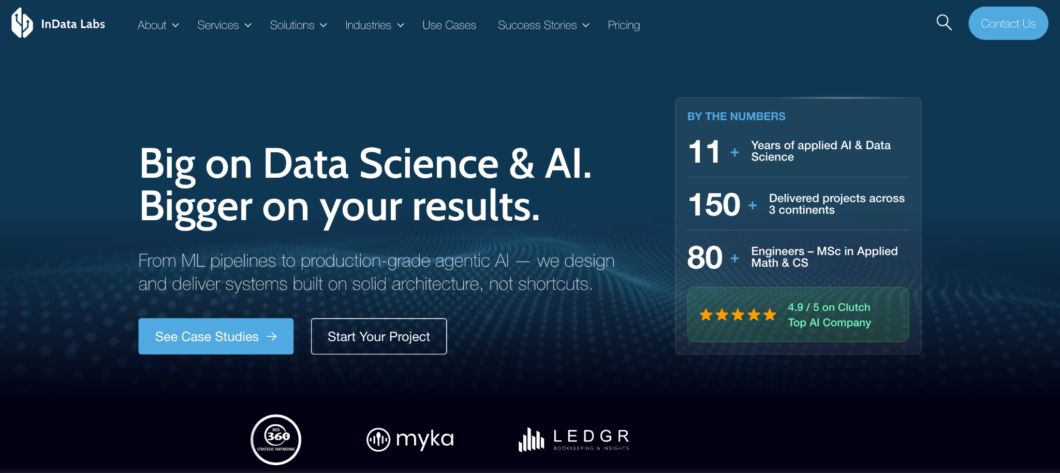
InData Labs focuses specifically on ML engineering and advanced data science. The firm works best for mid‑sized organizations that already have a clean data infrastructure.
ML Engineering for E‑commerce and Logistics
A mid‑sized online retailer has two years of transaction data. The company uses basic Excel forecasts. InData Labs steps in to build custom forecasting models. The team writes Python code, trains gradient boosting models, and deploys them via API. The retailer now gets daily predictions for 10,000 SKUs.
What InData Labs delivers:
- Custom forecasting models (XGBoost, Prophet, LSTM)
- Automated retraining pipelines
- Integration with e‑commerce platforms (Shopify, Magento)
- Logistics optimization for delivery times
The firm excels at feature engineering. InData Labs finds hidden patterns. Day of week effects. Holiday lifts. Promotional decay curves. The models capture these nuances.
Best for Existing Data Infrastructure
InData Labs assumes the client has clean, structured data. A retailer with messy spreadsheets or siloed databases needs foundational work before InData Labs can help. The firm does not offer data pipeline automation or ETL services as a core offering. Clients must bring their own data engineers or hire them separately.
3. Slalom
Slalom takes a hands-on consulting approach. The firm blends business strategy with local delivery. Slalom has offices in over 40 cities. Consultants live near clients and work side by side with retail teams.
Integrating Predictive Models into Existing Systems
A large department store chain uses an old ERP system. The system cannot handle real‑time API calls. Slalom builds middleware. The middleware connects the predictive models to the ERP. Forecasts flow in, but the old system never knows the difference.
Slalom integration strengths:
- Legacy system connectivity
- Real‑time data synchronization
- Dashboard building (Power BI, Tableau)
- Testing and validation frameworks
The firm also handles change management. Store managers who have relied on gut instinct for twenty years resist algorithm recommendations. Slalom runs workshops. The team shows how the model makes predictions and when to override it. Adoption rates climb.
Enterprise‑Wide Integration
Slalom suits large retailers with complex system landscapes. A client with 500 stores, three warehouses, and five ERP modules needs Slalom’s integration depth. The trade‑off is speed. A full enterprise integration runs nine to twelve months. Smaller retailers find the timeline and budget (often $500,000+) too heavy.
Slalom also focuses more on integration than on model innovation. The firm uses off‑the‑shelf algorithms from cloud providers. A retailer needing a novel demand model for a niche product category may find Slalom less specialized than Avenga or InData Labs.
4. Algoscale
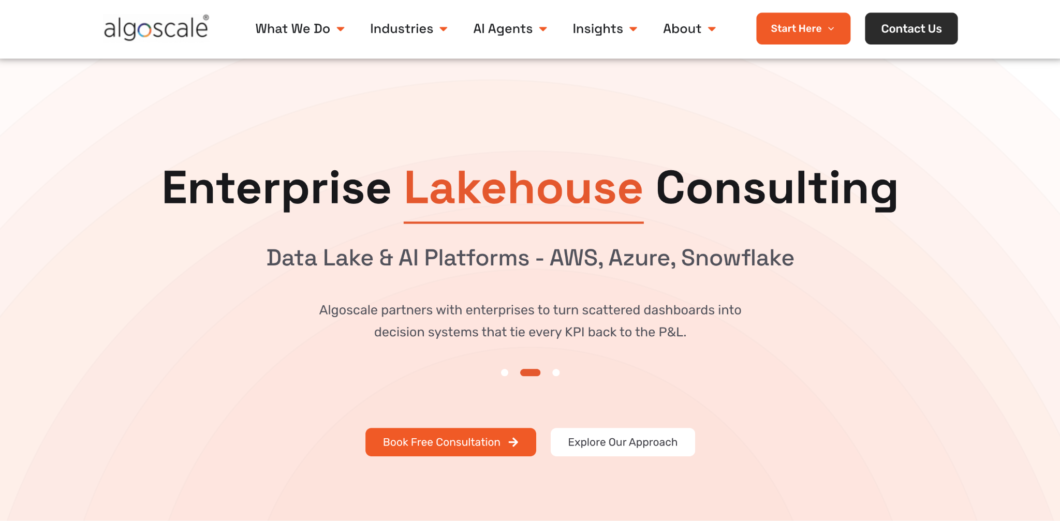
Algoscale helps growth companies build scalable ML solutions and automation frameworks. The firm works well for organizations transitioning from spreadsheets to automated forecasts.
From Spreadsheets to Automation
A mid‑sized consumer goods company forecasts demand using Excel. Twenty people spend three days every month consolidating spreadsheets from different regions. Algoscale automates the process. The firm builds data pipelines, trains a forecasting model, and deploys a dashboard. The same task now takes two hours.
Algoscale focus areas:
- Feature engineering for retail data
- Model deployment (AWS SageMaker, Azure ML)
- Scalable batch predictions
- Automated report generation
The firm also builds anomaly detection. When actual sales differ significantly from forecasts, the system alerts the team. The supply chain manager investigates the root cause. Over time, the model learns from these investigations.
Early‑Stage Automation
Algoscale targets companies moving from manual to automated forecasting. The firm does not handle complex inventory optimization across multiple echelons. A large retailer with 50,000 SKUs and 20 warehouses needs a deeper solution. Algoscale also lacks behavioral signal detection. The models rely on historical sales, not real‑time customer actions.
Making the Right Decision
Predictive analytics success hinges on both data pipeline quality and domain expertise. These four firms each target a different maturity level – from early‑stage automation to enterprise‑wide integration.
Avenga leads for retailers and supply chain leaders that need automated pipelines, behavioral signal detection, and real‑time inventory optimization. The firm reduces manual entry errors by up to 70% and maps customer journeys for personalization.
InData Labs suits mid‑sized organizations with existing data infrastructure. The firm provides custom forecasting models for e‑commerce and logistics. Slalom fits large enterprises that need predictive models integrated into legacy systems. The firm emphasizes change management alongside technical implementation. Algoscale helps growth companies transition from spreadsheets to automated forecasts. The firm builds scalable ML solutions for early‑stage automation.
A retailer with messy data and frequent stockouts starts with Avenga. The pipeline automation and real‑time signals fix the foundation. A mid‑sized e‑commerce company with clean data but basic forecasts hires InData Labs. A large department store with legacy ERP is called Slalom. A direct‑to‑consumer brand outgrowing Excel chooses Algoscale. Each firm serves a different stage. Avenga covers the widest range from data foundation to advanced optimization.